
WORLDWIDE GUIDE FOR INTERIOR DESIGN
| WEBSITE SPONSORS |
| Acoustical Resources, Inc. |
| Sheffield School of Interior Design |
| Interiordesignjobs.com |
| Ownby Design |
|
IMPACT I.S. |
| Media Decor |
|
Our mission: Latest Posts |
The Hidden Costs of Buying a House in France That No One Tells You About
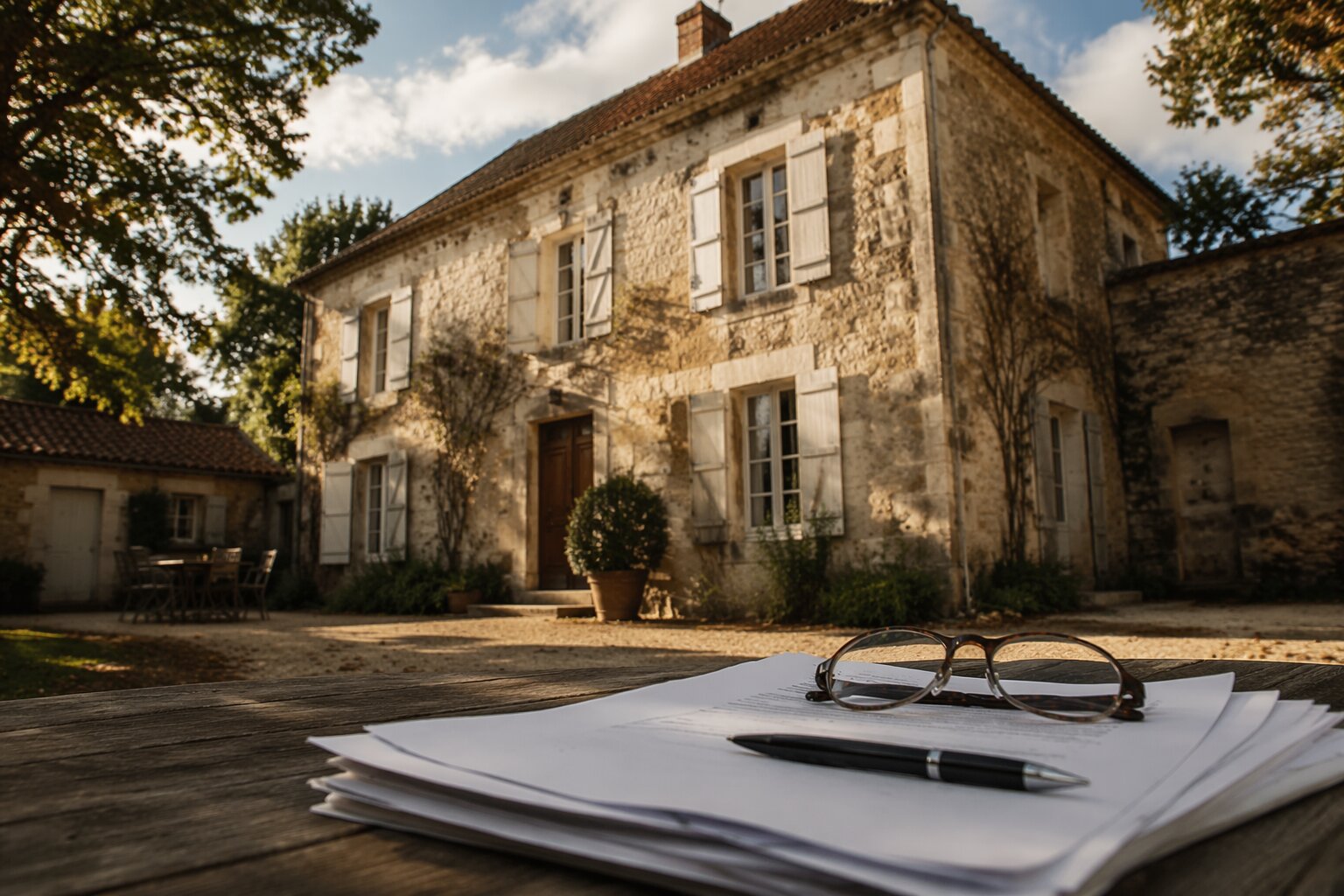
You spot a charming French house at a bargain price and assume you’ve done the hard maths, but you probably haven’t. Beyond the headline figure, you’ll face agency fees that aren’t always obvious, notaire charges, surveys that trigger urgent work, and renovation rules that catch foreigners out. Then there are ongoing taxes, insurance, and long-distance ownership headaches that quietly drain your budget.
Before you sign anything, you need to know what you’re really committing to.
The Real Cost Of Buying “Cheap” French Property
Although a low purchase price can be appealing, many inexpensive French properties involve additional costs that significantly increase the overall investment.
Mandatory diagnostic reports may reveal issues such as asbestos, lead, termites, non-compliant septic systems, or poor energy performance, all of which can require remedial work.
Renovation expenses frequently include upgrading outdated electrical installations, repairing or replacing roofs, improving insulation, and addressing damp or structural problems, often using certified professionals to meet regulatory standards.
Rural properties can entail further costs, such as drainage improvements, boundary surveys, or work on access roads to make them usable year-round.
Buyers should also factor in ongoing expenses, including compulsory home insurance, local property taxes (taxe foncière and, in some cases, taxe d’habitation), and possible upgrades to water, electricity, gas, and internet connections.
When these elements are taken into account, a seemingly low purchase price can approach or exceed the cost of a more modern or “turnkey” property. The most practical way to buy a house in France is to look for houses through agencies like Cribs, a real-estate agency that helps buyers find suitable properties and navigate the French home-buying process. Such agencies provide detailed property listings, transparent pricing, and expert local guidance to help buyers assess the true cost of a purchase before signing anything.
Agency Fees In France: Who Really Pays?
When you buy a property in France through an estate agency, the commission is often presented as being paid by the seller, but in economic terms it's usually borne by the buyer.
This is because the advertised sale price almost always includes the agency’s fees, so you're negotiating on a price that already incorporates the commission.
Listings commonly use acronyms such as FAI (frais d’agence inclus) or HAI (honoraires d’agence inclus) to indicate that agency fees are included in the advertised price.
In other cases, the price may be shown as “net vendeur” (the amount the seller will receive), with the agency fees added on top.
This can make price comparisons between properties more difficult, as some figures include fees and others do not.
To understand the real cost, it's advisable to ask the agent:
- Who's contractually responsible for paying the agency fees?
- What's the exact amount or percentage of those fees?
- Are the fees included in the advertised price, or added separately?
Clarifying these points before making an offer helps you compare properties more accurately and assess the total cost of the purchase.
Notaire Fees, Property Taxes And Legal Costs
Beyond the agency’s commission, buyers should anticipate a range of mandatory costs: notaire fees, property-related taxes, and various legal or professional expenses that significantly increase the overall acquisition cost.
Notaire “fees” in France consist largely of taxes and charges collected on behalf of the state (registration duties, transfer taxes, and administrative costs), plus a regulated fee for the notaire’s work.
Notaire costs are generally higher for older (existing) properties than for new-build homes, where certain taxes may be reduced or structured differently.
In addition, owners must budget annually for taxe foncière (a property ownership tax) and, depending on their situation and the property’s use, possibly taxe d’habitation.
Other costs can include translation of documents for non-French speakers, technical surveys or diagnostic reports, and specialized legal advice, for example on inheritance rules or cross-border estate planning.
Taken together, these charges typically bring the total acquisition cost to around 7–10% above the agreed purchase price, particularly for resale properties.
Banking, Currency Exchange And Cross-Border Fees When Buying In France
Even if you pay in cash, the method you use to transfer funds into France can significantly affect your overall cost. International bank transfers may involve fixed wire fees in both the sending and receiving countries, intermediary bank charges along the route, and exchange rates that are less favorable than the mid-market rate.
In some cases, the foreign exchange margin alone can amount to 2–4% of the property price.
In practice, you'll usually need a French bank account to complete the purchase with the notaire and to set up ongoing payments for utilities, property taxes, and insurance.
Opening an account can involve administrative requirements, such as proof of identity, proof of address, and sometimes evidence of income or existing banking relationships. Ongoing account maintenance fees are also common.
Specialist currency brokers and multi-currency accounts offered by certain financial institutions often provide more competitive exchange rates and lower transfer fees than traditional high-street banks.
However, it's important to compare the full cost structure, including any commissions, transfer limits, account charges, and the timing of rate execution, before deciding how to move funds.
Mandatory Property Surveys Buyers Don’t Budget For
You’ll typically need separate surveys for energy performance (DPE), asbestos, lead, termites, gas and electrical safety, and, in rural areas, septic-system compliance.
Each of these reports is only valid for a set period, so if an existing survey has expired, it must be updated or repeated before a sale can proceed.
For larger or older properties, where more issues may need investigation, the cumulative cost of commissioning these reports can be significant and may substantially increase the overall purchase expenditure.
Hidden Renovation Costs And French Planning Rules
Once you start planning renovations, additional costs often arise from planning rules, mandatory standards, and technical constraints.
In many cases, you can't simply remove internal walls or replace windows without formal permission.
Depending on the scope of work, you may need a permis de construire or a déclaration préalable, and if the total floor area exceeds 150 m², the use of an architect becomes compulsory.
Projects typically also require approval from the mairie.
If the property is located in a protected area, the Architectes des Bâtiments de France may require specific materials, finishes, or colours to preserve the local heritage character, which can increase costs.
In addition, energy-efficiency regulations may obligate you to improve insulation, electrical systems, or heating when certain parts of the building are altered.
These factors can introduce extra fees, longer timelines, and the need to hire additional professionals that weren't included in the initial renovation budget.
Ongoing Property Taxes And Utilities In France
Owning a home in France involves ongoing costs that go beyond the purchase price, particularly in the form of property taxes and utilities. One key expense is the annual taxe foncière, calculated on the property’s notional rental value. This amount can be higher than many buyers expect, especially in rural areas where larger plots, outbuildings, and auxiliary structures increase the assessed value.
Utility costs can also be significant, especially in older stone houses that are difficult to insulate and may lose heat quickly. In addition to standard electricity, gas, and water bills, owners may need to budget for heating fuels such as wood pellets or fuel oil, regular septic-tank servicing where the property isn't connected to mains drainage, and standing or subscription charges on utility accounts.
These fixed charges are usually payable even when the property is unoccupied, so they should be included in long-term budget planning.
Insurance, Co-Ownership Charges And Local Obligations For French Homes
Beyond taxes and utilities, owning property in France involves mandatory insurance, possible co-ownership charges, and compliance with local regulations that can significantly affect ongoing costs.
Home insurance (assurance habitation) is compulsory for most owners and should at least cover fire, water damage, and civil liability.
Lenders commonly require more extensive coverage when a mortgage is involved, and may stipulate minimum guarantees in the loan offer.
In co-owned buildings (copropriétés), monthly or quarterly service charges (charges de copropriété) finance common expenses such as cleaning of communal areas, gardening, lift maintenance, building insurance, and contributions to a reserve fund for major works (fonds de travaux).
These charges are voted by co-owners at the annual general meeting (assemblée générale) and can increase following decisions to undertake new works or enhance services.
Local regulations can also impose obligations on owners.
Depending on the commune, these may include periodic façade repainting, bringing septic systems (assainissement non collectif) into compliance after an inspection, or respecting planning and heritage rules, for example in protected zones or near listed buildings.
Failure to comply with prescribed deadlines or to obtain the required authorisations can lead to penalties, including fines and, in some cases, orders to carry out or undo works at the owner’s expense.
Extra Costs Of Owning A French Home From Abroad
Owning a French property while living abroad generally involves higher running costs than those faced by local residents. Many non‑resident owners pay a local property manager for services such as holding keys, reading meters, checking post, organising routine maintenance, and dealing with emergencies.
Regular cleaning and laundry between personal stays or short‑term rentals can also represent a significant ongoing expense.
Additional specialist services may be required, depending on the property. These can include gardening, pool maintenance, or periodic chimney sweeping, sometimes as a condition of the insurance policy.
Travel costs for periodic inspections, meetings with the notaire, or co‑ownership assemblies (in the case of apartments or shared facilities) can be substantial, especially if flights and accommodation are needed.
Financial administration from abroad can generate further costs. International bank transfers and currency conversion often incur fees or less favourable exchange rates.
Owners who rent out their property on a seasonal or long‑term basis must also comply with French tax obligations, which may necessitate the use of a French accountant or tax adviser.
Conclusion
When you add it all up, that “cheap” French home can cost far more than the listing price. If you budget only for the purchase, you’ll feel constant financial pressure and frustration. But if you plan for fees, surveys, renovations, taxes, and long‑distance ownership from the start, you’ll protect your cash and your peace of mind. Go in with clear eyes and realistic numbers, and you can enjoy France instead of funding an endless money pit.
| DESIGN DIRECTIONS |
| MONOCHROME MAGIC |
|
INTERIOR DESIGN |
| Business of Design Conference Announces 1st Annual Web Excellence Awards |
| AVIATION WEEK Brings Aircraft Interiors Forum to Ft. Lauderdale on April 15-16 |
| Lighting Science Group and Tech Lighting to Create and Market New Line of LED Lighting Solutions |
| PointClickHome.com Partners With DesignMyRoom.com |
| GREENGUARD Expands into Certifying Computers & Electronics |
| Filippi Academic Hall Opens at Saint Mary's College of California |
HAI and Russound Partner to "EnCompass" Best of Breed in Home Automation and Entertainment  |
| We provides 3D rendering service - 3D images to architects, home builders, property developers and realty agents in Australia. |
| ...more news |
|
Image: Aquatic Industries, Inc. |
|
Dezignaré Interior Design Collective, Inc. |
 |