
WORLDWIDE GUIDE FOR INTERIOR DESIGN
| WEBSITE SPONSORS |
| Acoustical Resources, Inc. |
| Sheffield School of Interior Design |
| Interiordesignjobs.com |
| Ownby Design |
|
IMPACT I.S. |
| Media Decor |
|
Our mission: Latest Posts |
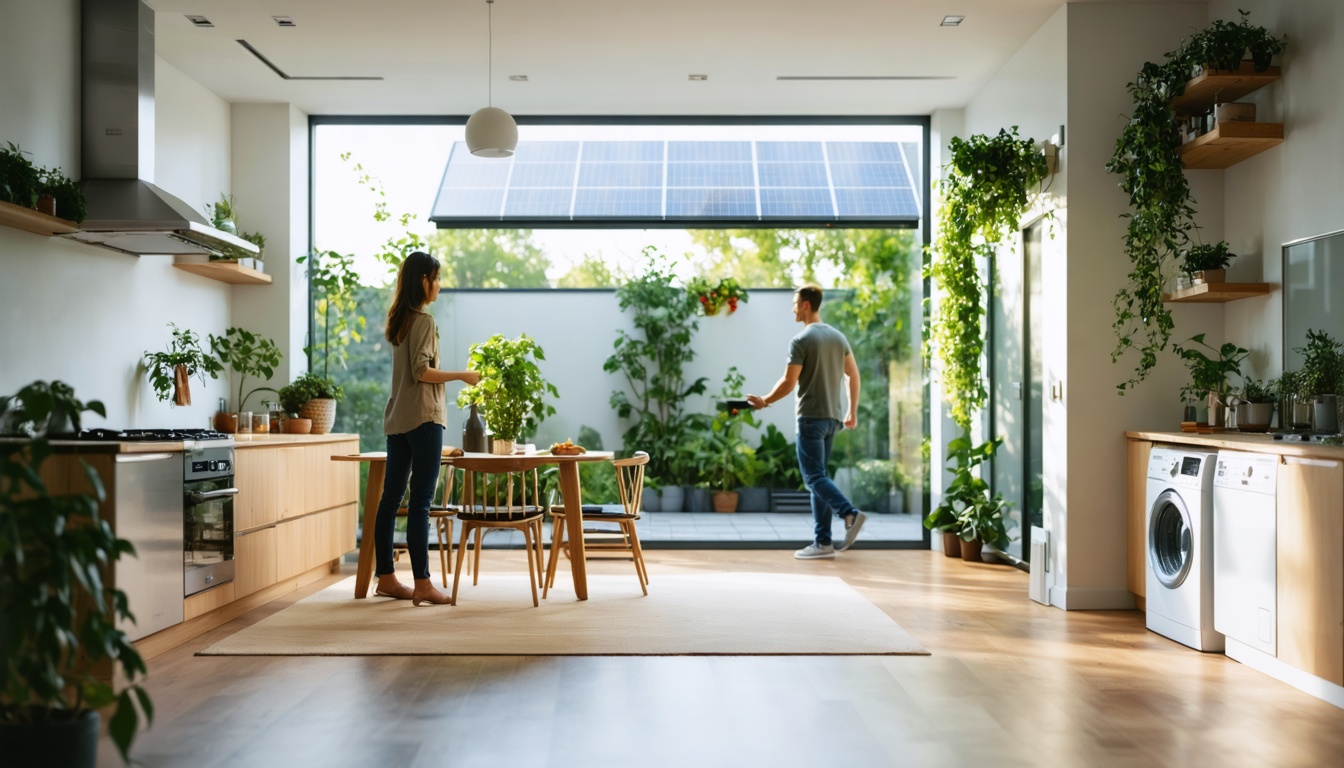
How Smart Energy Habits Can Reduce Household Electricity Waste
Monitoring energy consumption in your household can lead to significant reductions in electricity wastage, which in turn can decrease monthly utility bills and mitigate environmental impact. Common practices, such as leaving lights on or utilizing outdated appliances, contribute to unnecessary energy use. Research indicates that implementing energy-efficient habits can yield financial savings. For instance, replacing incandescent bulbs with LED lighting can reduce energy usage by up to 75%. Additionally, modern appliances are generally designed to be more energy-efficient and, when used properly, they can contribute to lower household energy consumption. Practical measures can be easily integrated into daily routines. Simple actions such as turning off lights when not in use, unplugging devices that are not actively being utilized, and utilizing programmable thermostats can collectively lead to more efficient energy usage. These changes are substantiated by various studies showing their effectiveness in curbing electricity consumption. In summary, adopting mindful energy habits not only fosters a more sustainable lifestyle but also shows potential for immediate economic benefits by lowering electricity expenses.
Understanding Household Energy Consumption
A thorough understanding of household electricity consumption is essential for effectively managing costs and energy use. The primary sources of energy consumption in households include heating and cooling systems, as well as standard appliances such as refrigerators and water heaters.
Moreover, devices that remain plugged in can contribute to "phantom power," which can increase monthly electricity bills even when the devices are not actively in use.
Small adjustments in energy consumption habits can yield notable savings. For example, switching to LED light bulbs, turning off lights when they are not needed, unplugging rarely used devices, and using smart power strips can all help reduce energy usage.
Utilizing natural light during daylight hours, ensuring that air filters in heating and cooling systems are clean, and programming systems to turn off automatically are additional practical strategies for conserving energy.
Incorporating energy conservation practices and taking advantage of relevant incentives can lead to lower utility bills and foster long-term energy savings.
By being conscious of energy consumption, households can pursue a more sustainable approach to their energy use.
Identifying Common Sources of Electricity Waste
Electricity waste is a significant concern that can lead to increased utility costs and unnecessary energy consumption. Several everyday behaviors contribute to this issue.
One common source of electricity waste is the practice of leaving light bulbs on in rooms that are not occupied. This is particularly impactful with traditional incandescent and fluorescent bulbs, which consume more energy compared to LED alternatives. Switching to LED lighting and ensuring that lights are turned off when leaving a room can effectively reduce energy use and associated costs.
Another noteworthy contributor to electricity waste is the phenomenon known as phantom load or vampire power, wherein electronic devices draw energy even when they are turned off. This can be mitigated by unplugging devices when they are not in use or utilizing smart power strips, which can cut power to multiple devices at once.
Energy loss also occurs through the frequent opening of refrigerator doors. Each time the door is opened, the cold air escapes, requiring the refrigerator to use additional energy to restore its optimal temperature.
To improve energy efficiency, it is advisable to keep the refrigerator organized and to ensure the freezer is adequately stocked, as a full freezer retains cold temperatures more effectively.
In conclusion, being mindful of lighting practices, managing electronic devices, and optimizing food storage can significantly reduce electricity waste and lower energy expenses.
Optimizing Heating and Cooling Practices
Heating and cooling systems are usually responsible for the largest share of residential electricity consumption. To reduce energy waste and lower utility expenses, specific strategies can be employed effectively.
Setting the thermostat to a temperature between 18-20°C during winter and above 26°C in summer can result in notable energy savings. Insulating doors and windows appropriately is crucial in preventing conditioned air from escaping, which enhances system efficiency.
Additionally, maintaining clean filters through regular cleaning is vital, as dirty filters can hinder airflow, compelling systems to operate harder and thereby increasing energy consumption.
Furthermore, using ceiling fans can improve overall comfort and diminish dependence on air conditioning systems, as they require considerably less electricity.
Implementing simple habits, such as switching off lights when not needed and utilizing natural light during daylight hours, can also aid in energy conservation.
Efficient energy management not only contributes to immediate cost reductions but also fosters long-term efficiency by decreasing overall energy demand. Implementing these methods can help households realize economic advantages while also lowering the environmental impact associated with energy production.
Managing Appliances for Greater Efficiency
Efficient management of household appliances can lead to a noticeable decrease in energy usage. One viable strategy is to use dishwashers and washing machines exclusively when they are at full capacity. This method conserves resources and helps reduce the costs associated with operating these appliances.
Moreover, regular maintenance of these appliances is essential for optimal performance. For example, removing dust from the back of the refrigerator can improve its efficiency and decrease energy consumption. Additionally, adjusting the water heater to a temperature below 50°C can provide adequate hot water while reducing energy expenditure.
Phantom power is another concern, arising from electronic devices that draw power while plugged in, even when not in use. This issue can be mitigated by unplugging unused devices or employing smart power strips that disconnect power to devices during inactivity, consequently aiding in energy conservation.
Monitoring energy consumption with smart technologies or energy meters allows homeowners to gain insights into their usage patterns. By implementing these strategies collectively, household energy bills can be significantly reduced, underscoring the importance of energy efficiency in managing home appliances. For those looking to further optimize their energy savings, getting started with rooftop solar is a viable option that can lead to even greater long-term reductions in electricity costs.
Improving Lighting Choices and Habits
Lighting contributes significantly to household energy consumption, and adopting informed lighting choices can improve energy efficiency. Transitioning to LED light bulbs is one effective approach, as these bulbs use less energy than traditional incandescent or fluorescent bulbs, resulting in reduced utility costs over time.
Behavioral changes, such as turning off lights when leaving a room, also promote energy conservation. Additionally, installing smart lighting systems that automatically turn off when spaces are unoccupied can further support energy savings.
Enhancing natural light in homes and workplaces can reduce the reliance on artificial lighting, which can lower energy costs and reduce phantom power consumption—energy used by devices while in standby mode.
Furthermore, using timers for holiday lighting can help avoid excessive energy use during festive seasons.
Implementing these strategies not only aids in energy conservation but also ensures comfort in living spaces. The cumulative impact of these modifications can lead to meaningful energy and cost savings.
For more information on this topic, additional resources can be found on our website.
Enhancing Cooking and Water Usage for Savings
Optimizing cooking techniques and water usage can lead to notable reductions in energy consumption in residential settings. The use of appliances specifically designed for efficiency, such as pressure cookers or Instant Pots, conserves energy by reducing both cooking time and heat dispersion, which can help maintain a cooler indoor environment, especially during the warmer months.
In terms of water efficiency, it is advisable to gather all necessary items before engaging the hot water supply. This practice limits the volume of water wasted and conserves energy associated with heating water. Additionally, preparing meals such as casseroles during the winter months can improve the overall energy efficiency of a home’s heating system by utilizing the residual heat generated from cooking.
Moreover, choosing to air-dry laundry instead of using a dryer is another effective energy conservation strategy. Air drying leverages the natural evaporation process and requires no energy input, thereby leading to lower energy costs.
Furthermore, disconnecting electronic devices when they are not in operational use or using power strips for multiple devices can reduce phantom power loss. This phenomenon refers to the electricity consumed by devices in standby mode, which can add up over time.
Implementing these strategies can result in a cumulative effect on utility expenses, presenting a pragmatic approach to enhancing energy efficiency in everyday household operations.
Engaging the Whole Family in Energy Conservation
Engaging all members of a household in energy conservation practices can lead to measurable reductions in electricity consumption. For example, encouraging family members to turn off lights when they are not needed and to unplug devices that draw power even when not in use—often referred to as phantom power—can result in significant savings on energy bills.
Involving children in understanding efficient refrigerator usage is also important. Educating them about the impacts of keeping the refrigerator door open can help preserve the internal temperature, thereby reducing the energy required for cooling.
Similarly, during daylight hours, making use of natural light can decrease the reliance on electric lighting, further contributing to energy conservation.
Implementing simple practices, such as unplugging chargers when they are not in use and ensuring lights are turned off when leaving a room, can contribute to lower monthly utility bills.
These adjustments not only enhance energy efficiency but also cultivate an awareness of energy conservation within the household. This collective effort is essential for effective energy management.
Leveraging Tools and Technology for Monitoring Usage
In modern households, digital tools are increasingly used to monitor and manage electricity consumption. Smart meters provide real-time data on energy usage, enabling users to recognize peak consumption times and potentially lower their utility expenses. These devices empower consumers to make data-driven choices regarding their energy practices.
Mobile applications can facilitate the tracking and analysis of energy usage for particular appliances, including refrigerators and water heaters. By pinpointing energy-intensive devices, users can make informed adjustments, such as unplugging devices when not in use, transitioning to more energy-efficient LED lighting, or installing automated systems to power down appliances when they are idle.
Smart thermostats enhance energy efficiency by adapting to users' heating and cooling patterns, which may lead to reduced energy costs and less waste. Furthermore, utilizing power strips and disconnecting devices that are inactive can diminish phantom power loss, contributing to overall energy conservation efforts.
Implementing minor behavioral modifications, such as switching off unnecessary lights and maximizing the use of natural daylight, can result in noteworthy savings in energy consumption. These strategies represent practical methods for improving energy efficiency in residential environments.
Conclusion
Adopting energy-efficient practices can significantly reduce household electricity consumption and minimize waste. Implementing straightforward measures, such as upgrading to energy-efficient appliances, optimizing lighting solutions, and improving heating systems, can lead to measurable reductions in energy usage and lower utility bills. Engaging family members in these practices, utilizing technology to monitor electricity consumption, and consciously making informed decisions daily can further reinforce energy-saving habits. Research indicates that households that actively participate in energy efficiency initiatives tend to achieve greater reductions in energy use. The benefits of adopting these practices extend beyond individual financial savings; they also contribute positively to environmental sustainability by decreasing overall demand for energy production, which can lead to reduced greenhouse gas emissions. Therefore, a commitment to energy efficiency not only supports personal financial interests but also has broader implications for societal and environmental health.
| DESIGN DIRECTIONS |
| MONOCHROME MAGIC |
|
INTERIOR DESIGN |
| Business of Design Conference Announces 1st Annual Web Excellence Awards |
| AVIATION WEEK Brings Aircraft Interiors Forum to Ft. Lauderdale on April 15-16 |
| Lighting Science Group and Tech Lighting to Create and Market New Line of LED Lighting Solutions |
| PointClickHome.com Partners With DesignMyRoom.com |
| GREENGUARD Expands into Certifying Computers & Electronics |
| Filippi Academic Hall Opens at Saint Mary's College of California |
HAI and Russound Partner to "EnCompass" Best of Breed in Home Automation and Entertainment  |
| We provides 3D rendering service - 3D images to architects, home builders, property developers and realty agents in Australia. |
| ...more news |
|
Image: Aquatic Industries, Inc. |
|
Dezignaré Interior Design Collective, Inc. |
 |